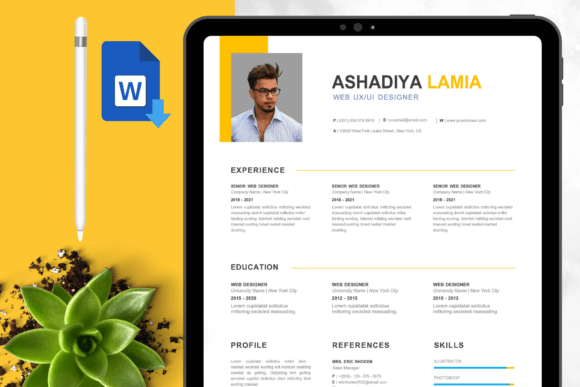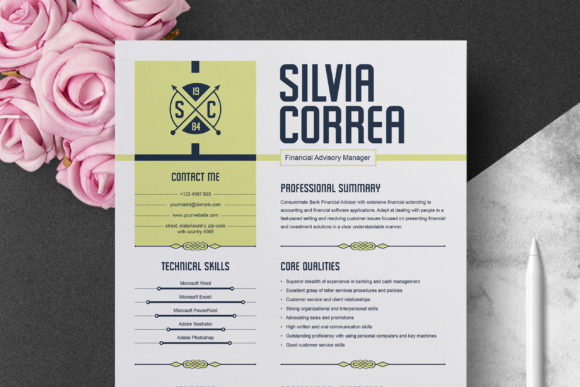
Modern & Professional Resume Design: Your Key to Standing Out
Let's be honest: the resume you submitted for your last job application is probably outdated. If it's been more than five years, the landscape has shifted dramatically. What was once considered professional might now look cluttered, overly formal, or simply invisible in a pile of modern documents. A great resume isn't just a list of jobs; it's a strategic marketing tool, and its design is the first impression you make on a hiring manager before they read a single word.
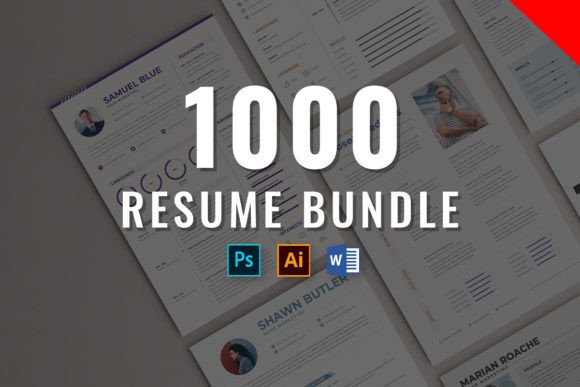
Think of your resume as a piece of brand identity. Just like a logo or a website, it needs to communicate professionalism, clarity, and a touch of your personal brand instantly. This is where a modern and professional resume design template becomes invaluable. It provides the foundational structure and visual appeal, allowing you to focus on what matters most: your content. The template handles the typography, spacing, and hierarchy—elements that are crucial for readability and impact but are often mishandled in DIY attempts.
Why Design Matters More Than You Think
In a competitive job market, a visually appealing resume does more than just look nice. It directly influences perception and engagement. A clean, well-organized layout guides the reader's eye naturally to your most important achievements. It uses strategic white space to prevent overwhelm and employs a modern typeface that ensures legibility on screens and in print. This isn't about flashy graphics; it's about professional presentation that builds immediate credibility.
The right design also ensures visual consistency. From your resume to your cover letter and thank-you note, a cohesive look reinforces your personal brand. It shows attention to detail—a quality every employer values. This consistency extends to your digital presence; the same design principles applied to your resume can inform your LinkedIn profile or personal portfolio website, creating a unified professional image.
Practical Applications Beyond the Job Hunt
While the primary use is clear, the components of a professional design kit offer surprising versatility. The included templates aren't just for resumes. The cover letter template can be adapted for a formal business proposal or a letter of introduction for freelancers. The clean layout principles and professional typography are perfect for creating other essential business documents.
Consider using the design framework for:
- Freelance Portfolios: Create cohesive project case studies or one-page summaries for clients.
- Small Business Materials: Design professional invoices, project briefs, or partnership proposals.
- Creative Projects: Build sleek lookbooks, artist statements, or grant applications.
- Academic Use: Format CVs, research summaries, or conference submissions with scholarly polish.
The editable nature of the files—whether in Word, Pages, Photoshop, or Illustrator—means you can adapt the design to any context. Change the color scheme to match your company's brand, swap the fonts to reflect a different industry tone, or restructure sections to highlight different skills. This flexibility turns a single template purchase into a multi-purpose design asset.
Choosing the Right Elements for Your Brand
A modern resume template often uses a combination of typography styles. Typically, you'll find a clean sans-serif font for body text, ensuring high readability, paired with a complementary serif or display font for headings to add personality and structure. Understanding this pairing is key to customizing your resume effectively.
When selecting or modifying your design, keep these practical tips in mind:
- Match the Industry: A creative role might welcome a touch more color or a unique font style, while a corporate position favors classic, conservative typography. The template provides a neutral starting point you can tailor.
- Prioritize Readability: Never sacrifice clarity for style. Ensure your font size is adequate (10-12pt for body text) and that there is sufficient contrast between text and background.
- Test Your Pairings: If you change fonts, test how they look together. A good rule is to pair a serif with a sans-serif, or two very different weights of the same typeface family, for visual interest without clash.
- Utilize Hierarchy: Use font size, weight (bold), and color to create a clear visual hierarchy. Your name and section headings should be instantly distinguishable from your job descriptions.
Remember, the goal is to make your information effortless to digest. A hiring manager should be able to scan your resume in 30 seconds and grasp your value proposition. The modern design template is engineered for this, using grid systems and balanced layouts to present information logically.
From Template to Tailored Masterpiece
The real power of a complete design package is the control it gives you. You're not just filling in blanks; you're directing the presentation. The included instructions and font links remove the technical barriers, letting you focus on crafting compelling content. The ability to edit every single word, color, and section means the final product is uniquely yours.
This process mirrors professional design workflows. You start with a strong, tested framework and customize it to fit specific goals. For a job seeker, this means you can emphasize different aspects of your experience for different applications. Applying for a management role? Expand the leadership section. Pursuing a technical position? Highlight relevant projects and certifications. The flexible structure supports this strategic customization.
Ultimately, investing in a modern and professional resume design is investing in your personal brand's most critical marketing document. It’s the difference between blending in and standing out, between being overlooked and getting that crucial callback. In a world where first impressions are often digital, ensuring your resume is both professional and modern isn't just an option—it's a necessity for anyone serious about their career advancement.