Modern Business Card Templates: A Professional Edge for Your Brand
First impressions are often made in the space of a handshake. In that brief moment, the weight, texture, and design of your business card speak volumes before you say a word. For the entrepreneur, freelancer, or creative professional, a well-crafted card isn't just contact information—it's a tactile piece of your brand's story. Finding a template that balances clean aesthetics with practical utility can transform this simple exchange into a memorable brand interaction.
More Than Just a Pretty Face: The Anatomy of an Effective Template
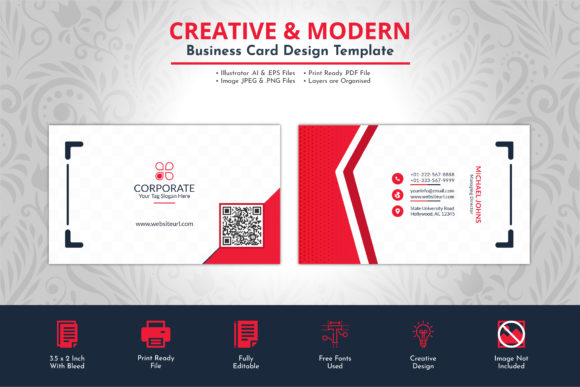
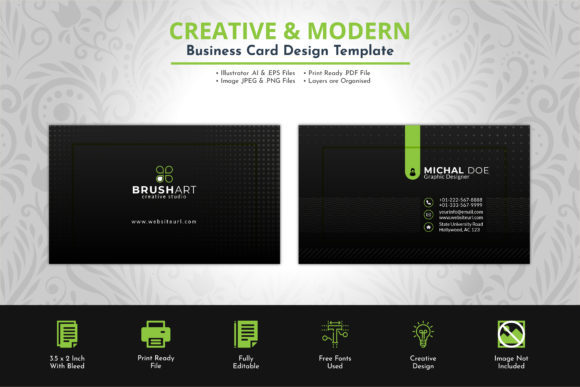
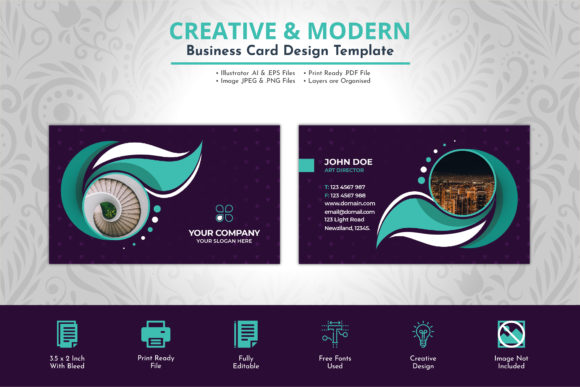
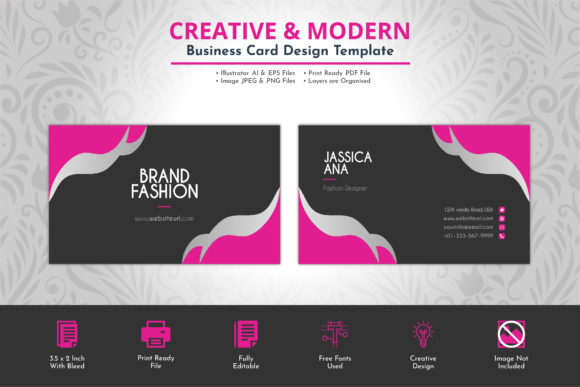
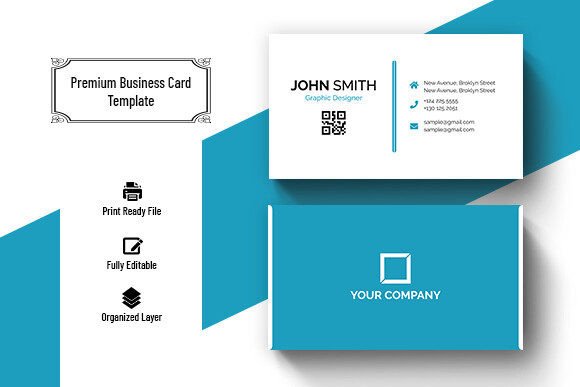
A truly useful business card template goes beyond surface-level design. It's built on a foundation of professional standards that ensure your final product looks polished and prints perfectly. This means working with a file that is truly print-ready, with correct dimensions like the standard 3.5" x 2" including a bleed area, and set in CMYK color mode for accurate color reproduction. High-resolution vector files ensure your design stays sharp at any size, from a business card to a scaled-up poster for a trade show booth.
The real value lies in the editability. A premium template should feel like a starting point, not a finished product you can't change. Easily swapping colors to match your brand palette, adjusting text to your details, and using free, accessible fonts means you maintain full control. This flexibility is crucial for creating a cohesive brand identity system where your card, letterhead, and social media graphics all speak the same visual language.
Where a Clean Template Truly Shines: Practical Applications
Think of a versatile, modern template as a foundational design asset. Its clean lines and professional layout serve multiple purposes well beyond the card itself. The same minimalist grid and typography hierarchy can inspire the design of your website's header, the layout of an email newsletter, or the composition of your Instagram graphics. This consistency is what builds brand recognition. When a client sees the same thoughtful spacing and font pairing on your card and your packaging, it creates a subconscious sense of reliability and attention to detail.
For small business owners and creators, this adaptability is a time-saver. You can extract design elements from the template to create:
- Marketing Collateral: Flyers, brochures, and price lists that feel immediately connected to your core identity.
- Digital Presence: Profile banners, presentation templates, and digital product covers with a unified look.
- Physical Products: Stickers, tags, or thank-you cards for packaging that reinforce your brand with every shipment.
- Event Materials: Invitations, name badges, or signage that carry your professional aesthetic into a physical space.
Choosing Your Visual Voice: Typography and Tone
The fonts included in a template are a critical choice, setting the overall mood. A template using a clean sans-serif font communicates modernity, clarity, and approachability—ideal for tech startups or consultants. One incorporating a subtle serif might evoke tradition, authority, or elegance, suited for law firms, boutique hotels, or artisanal goods. The key is ensuring the typeface aligns with your brand's personality and remains highly legible at small sizes.
Before finalizing your design, always test your typography. Print a proof to check for readability. Does the font size work for contact details? Does the color contrast against the background ensure easy scanning? Pairing a bold, attention-grabbing display font for your name with a simple, readable font for your details is a classic strategy that works because it guides the viewer's eye logically through the information.
From Template to Tangible Brand Asset
Ultimately, the goal is to move from a generic file to a unique brand asset. Start by aligning the template with your existing brand guidelines—your logo, color codes, and brand voice. Customize it. Maybe you adjust the layout to give your logo more prominence or change the accent color to a signature hue from your website. This process of thoughtful customization is what prevents your card from looking like a template and starts making it look like your brand.
Consider the entire experience. The design on the screen is just one part. The choice of card stock—matte, glossy, textured—adds another sensory layer. A well-designed template gives you the confidence to experiment with these print finishes, knowing the underlying design is solid. It’s this combination of a professionally designed, easily customizable template and thoughtful execution that creates a business card you’re proud to hand out—one that works for you long after the initial introduction.