Facebook PSD Collage Cover Template: A Complete Guide for Creators
Standing out on Facebook requires more than just a great profile picture. Your cover photo is prime real estate, a digital billboard that tells your story at a glance. For bloggers, photographers, and small business owners, creating a visually stunning and cohesive banner can feel like a daunting task. This is where a versatile tool like a Facebook PSD Collage Cover Template becomes an indispensable part of your design toolkit, offering a professional foundation to build upon without starting from scratch.
Why a Collage Template Resonates with Modern Audiences
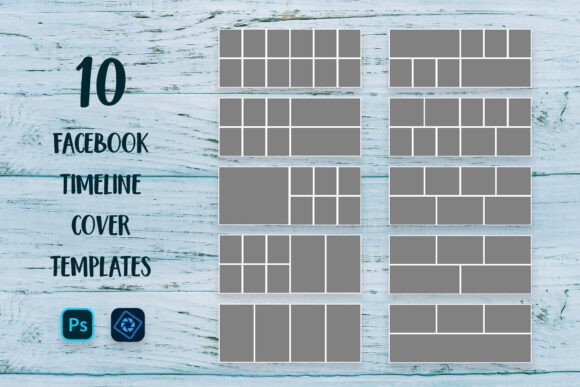
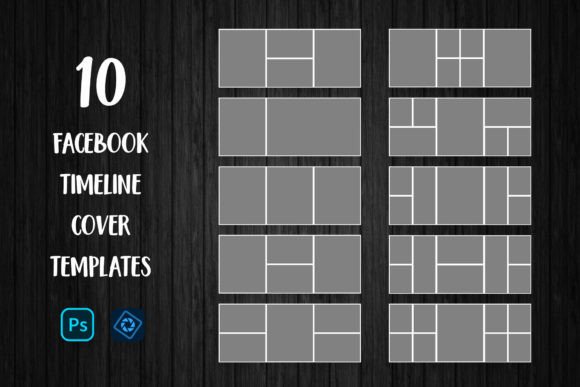
A single image is powerful, but a collage speaks volumes. It allows you to showcase multiple facets of your brand, a product range, a recent event, or a curated aesthetic in one cohesive frame. This format is particularly effective for visual storytellers. A photographer can display a series from a single shoot, a blogger can highlight different post categories, and a small business can feature its best-selling items or happy customers. The structured, grid-like nature of a collage template brings order to multiple images, preventing a cluttered look while maximizing visual impact. The predefined spaces guide the viewer's eye, creating a balanced and intentional composition that feels both dynamic and polished.
The appeal also lies in its adaptability. A well-designed template isn't a rigid cage; it's a flexible framework. The layered PSD file format means every element is separate and editable. You can swap colors to match your brand palette, adjust the opacity of background elements, or even modify the shapes of the image placeholders to better suit your content. This level of control ensures your Facebook cover isn't just another generic banner but a true extension of your unique brand identity, helping to foster recognition and trust with your audience.
Practical Applications Beyond the Facebook Banner
While the primary function is clear, the true value of a premium design asset lies in its versatility. The principles and components within a social media banner mega pack can be repurposed across numerous projects, saving you time and ensuring visual consistency across all your platforms.
For Branding and Marketing: The color schemes and layout logic from your chosen template can inform other marketing materials. Use the same grid structure for an email newsletter header or a promotional flyer. The visual language established in your Facebook cover can be echoed in Instagram Stories graphics, Pinterest pins, or even simple website banners, creating a seamless experience for anyone interacting with your brand online. This consistency is key to building a professional and memorable brand identity.
For Content Creation and Digital Products: Bloggers and content creators can extract elements for use within their sites. A decorative frame or a stylish text box from the template could be adapted into a sidebar widget or a custom graphic for a blog post. Photographers might use the collage layout to create a stunning portfolio image for their website's "About Me" page. The template acts as a source of inspiration and raw material, accelerating the design process for a wide array of visual content.
Maximizing Your Template: A Step-by-Step Workflow
Getting started is straightforward, even if you're not a Photoshop expert. The process is designed to be intuitive, allowing you to focus on creativity rather than technical hurdles.
First, open your chosen PSD file in Adobe Photoshop or Photoshop Elements. Familiarize yourself with the Layers Palette; this is your command center. Each image placeholder will be its own layer, often with a clipping mask already applied or ready to be applied. To insert your photo, simply go to File > Place and select your image. Position this new layer directly above the placeholder layer you wish to fill in the Layers Palette. Then, right-click on your photo layer and select "Create Clipping Mask." Your image will instantly conform to the shape of the placeholder below it. Use the Free Transform tool (Ctrl/Cmd + T) to resize and reposition the image within the frame for the perfect composition.
Repeat this process for each placeholder. Once all your images are in place, you can begin customizing the template's non-image elements. Double-click on color layers to change them to your brand's hex codes. Experiment with the opacity of decorative overlays to add depth. Finally, when you're satisfied, flatten your image and save it as a high-quality .jpg file (File > Save As) ready for upload to Facebook.
Key Considerations for a Polished Final Product
To ensure your final cover looks professional, keep a few important details in mind. The template is built for an 851x315 pixel canvas, the standard for Facebook timeline covers. However, always preview your final image on both desktop and mobile views, as the display area can vary slightly. The included fonts are free for commercial use, but always double-check the license file provided to stay compliant.
Color accuracy is another subtle but important factor. The template works in RGB color mode, which is standard for digital displays. Colors may appear differently on various monitors due to individual calibration settings. For the most consistent results, especially if your brand has strict color guidelines, consider calibrating your own monitor. When saving, opt for a .jpg with a quality setting of 10-12 to balance file size and visual clarity. Remember, the background textures or photos in the template preview are for demonstration only; your own images will bring the design to life.
By leveraging a thoughtfully designed Facebook PSD Collage Cover Template, you equip yourself with more than just a single graphic. You gain a foundational design system that promotes visual storytelling, reinforces brand consistency, and streamlines your creative workflow across the entire digital landscape. It’s a practical investment for anyone serious about presenting a cohesive and professional image online.